Creating FOMO: How to Build Buzz For Your Item

https://www.discovery-studios.com/

I publish essays about the creator economy and product management every two weeks. Join thousands of other readers by subscribing below:

Subscribe now


Dear subscribers,

We all want what we can’t have, especially if other people are talking about it. 

Instead of launching with a blog post or website that describes what the product does, companies are creating FOMO by:

  1. Keeping it mysterious

  2. Seeding with top creators

  3. Using invites to drive word of mouth

Let’s look at three recent examples.

Clubhouse

A year after launch, Clubhouse’s website still doesn’t explain what the product does. It doesn’t need to because the team has created amazing word of mouth through FOMO.

In summer 2020, Clubhouse seeded the platform with top creators and public figures such as Naval, Mark Cuban, Mayor London Breed, and Oprah. The team then introduced invites to drive word of mouth:

  1. New users can download the app but can’t get in without an invite from an existing user.

  2. Existing users can share an invite with someone and personally welcome them to the app in a Clubhouse room.

Invites became so sought after that people started buying and selling them on Reddit and other platforms. Clubhouse’s current challenges aside, it’s hard to argue against how effectively the team used FOMO to drive growth.


BitClout
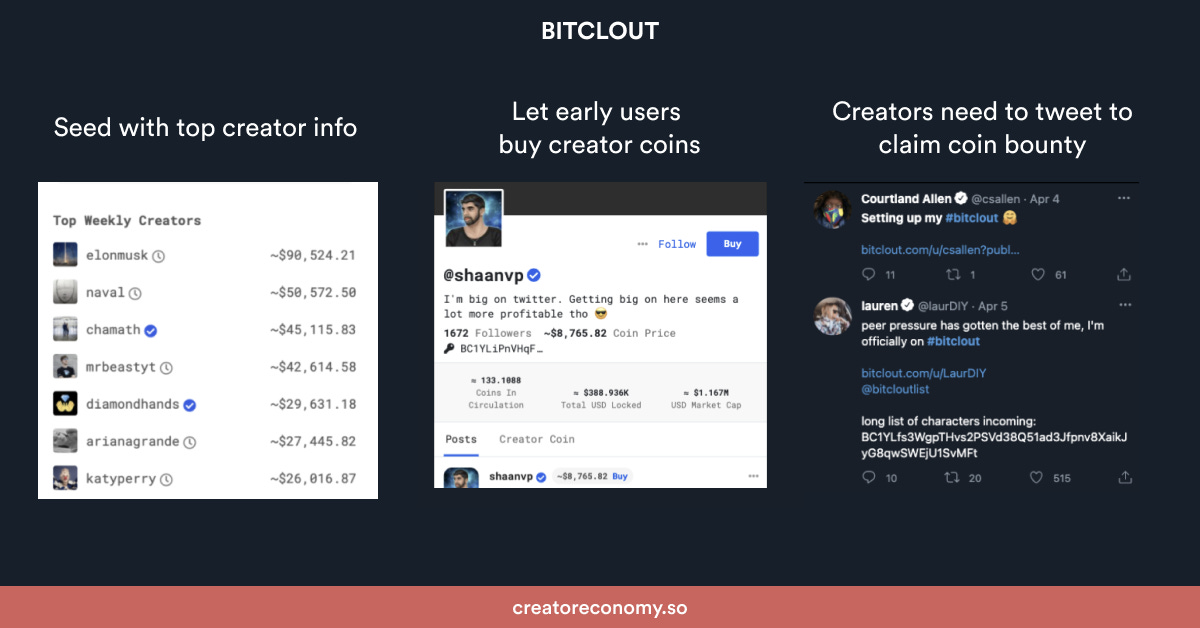
On its website, BitClout calls itself a crypto social network that lets fans buy and sell coins to invest in their favorite creators. If you don’t know what a creator coin is, check out my step-by-step guide to social tokens.

What’s fascinating about BitClout is that it seeded the platform with top creators without their permission. The team created profiles for the top 15,000 Twitter creators and then invited early users (and VC money) to buy coins for these creators. Creators need to tweet out a link to their BitClout profile to claim their profile and coin bounty (money is a powerful motivator!).

<div class="tweet" data-attrs="{"url":"https://twitter.com/shreyas/status/1380581677773115394?s=20&quot;,"full_text":"Alright, who's in? 💎🙌\n\n#bitclout\n\nbitclout.com/u/shreyas?publ…","username":"shreyas","name":"Shreyas Doshi","date":"Fri Apr 09 18:01:36 +0000 2021","photos":[],"quoted_tweet":{},"retweet_count":3,"like_count":48,"expanded_url":{},"video_url":null}”>

Twitter avatar for @shreyasShreyas Doshi @shreyas

Alright, who’s in? 💎🙌

#bitclout

bitclout.com/u/shreyas?publ…
It’s unclear how legal this strategy is (you still can’t take money out of BitClout), but the FOMO is clearly working.


Racket

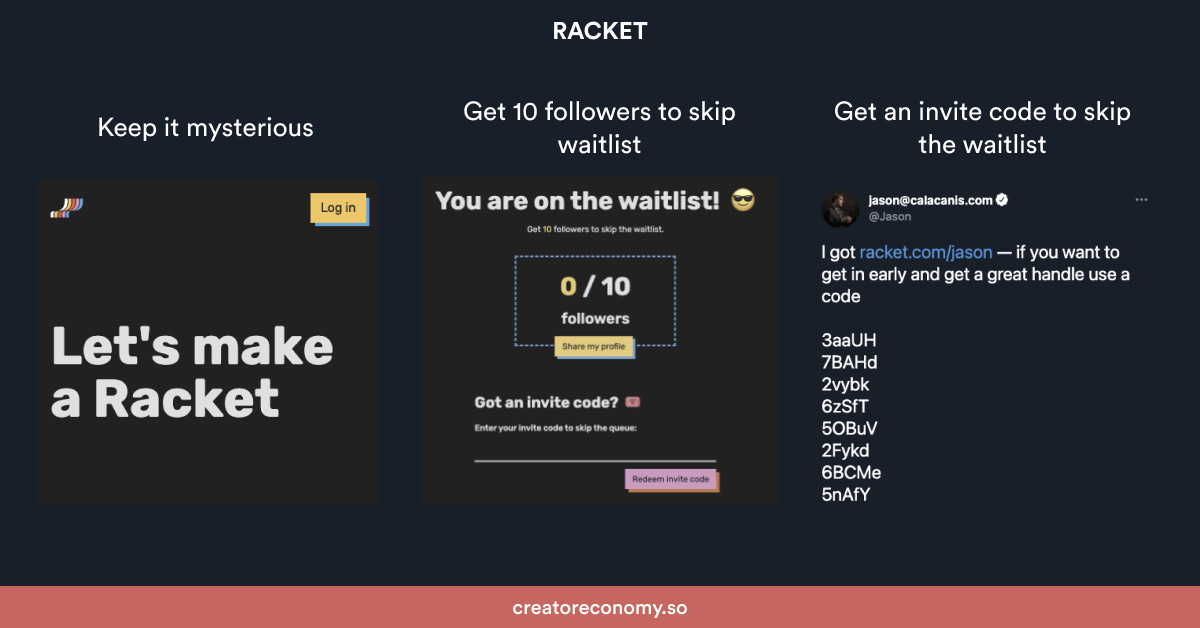
Racket is a platform for audio clips that you can record and share by yourself or with other people. However, if you visit Racket’s website, there’s no way to tell what it’s about (this is by design).

Racket went live on April 6 and got 6,000 sign-ups on its waitlist a week later, all from word of mouth. Austin (Racket’s CEO) and team started by seeding the platform with top creators and investors such as Jason Calacanis and Li Jin (the codes below have expired but just reply to this email if you want an invite):

To get off the waitlist, users had to get ten followers on their Racket profile page or get an invite code from an existing user. This setup created FOMO on Twitter from top creators sharing invite codes and users asking for follows:

<div class="tweet" data-attrs="{"url":"https://twitter.com/bhargavk_/status/1381664331381678083&quot;,"full_text":"So far hit 3 followers on @racket100 with @awwstn @stuartdsmith and one more. Still got to cover 7 more to get an invite. HELPPPPPPPP!","username":"bhargavk_","name":"Bhargav","date":"Mon Apr 12 17:43:41 +0000 2021","photos":[],"quoted_tweet":{},"retweet_count":0,"like_count":1,"expanded_url":{},"video_url":null}”>

Twitter avatar for @bhargavk_Bhargav @bhargavk_

So far hit 3 followers on @racket100 with @awwstn @stuartdsmith and one more. Still got to cover 7 more to get an invite. HELPPPPPPPP!

Already, we’re seeing creators make shows on everything from the creator economy to meditation on this platform.


FOMO does not equal product-market fit

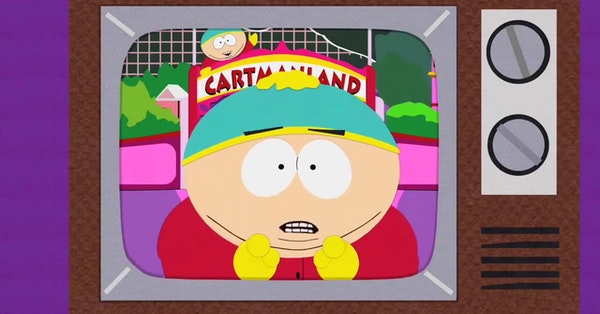
The FOMO strategy reminds me of this clip from South Park, where Cartman opened a massive theme park that no one can come to:

Twitter avatar for @petergyangPeter Yang @petergyang

Startups launching with invite-only waitlists:

“So much to do at Cartmanland but you can’t come!” 🎵🎵🎵

youtube.com/watch?v=s1fzQ9…South Park – Cartmanland CommercialS5E6 – Cartmanlandyoutube.com

Jokes aside, it’s important to remember that FOMO is fleeting and doesn’t equal product-market fit.

You can drive acquisition and word of mouth through FOMO, but then you need to deliver a great product.

For more on creating FOMO, check out Gaby Goldberg’s Value of the Velvet Rope post or sign up for my Build for Creators course (starting 5/2).

https://www.discovery-studios.com/

Leave a comment